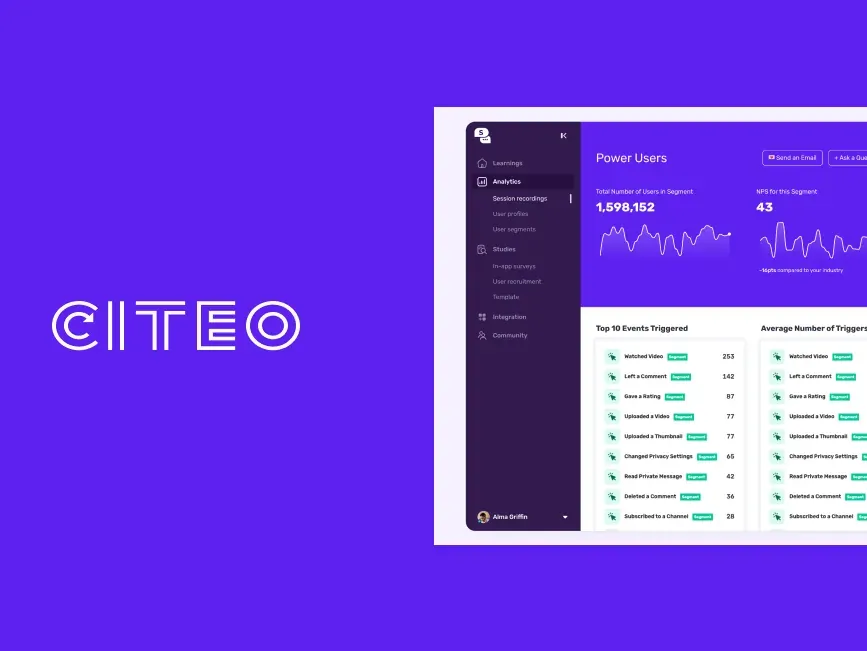
Product, data & AI · Citeo
SKU PROJ-001 · Colorway: Circular economy
A product team that had stopped pulling in the same direction. Shared design system, written decisions, continuous user feedback: 2 days saved per release.
Product Builder
From strategy to build, augmented by AI. When everything tends to look the same, product is what will make the difference.
SKU PROJ-001 · Colorway: Circular economy
A product team that had stopped pulling in the same direction. Shared design system, written decisions, continuous user feedback: 2 days saved per release.
SKU PROJ-008 · Colorway: Manifesto
FRIDA, a method in progress to go from a pain point to a product people use. Work in progress, published with what doesn't work yet.
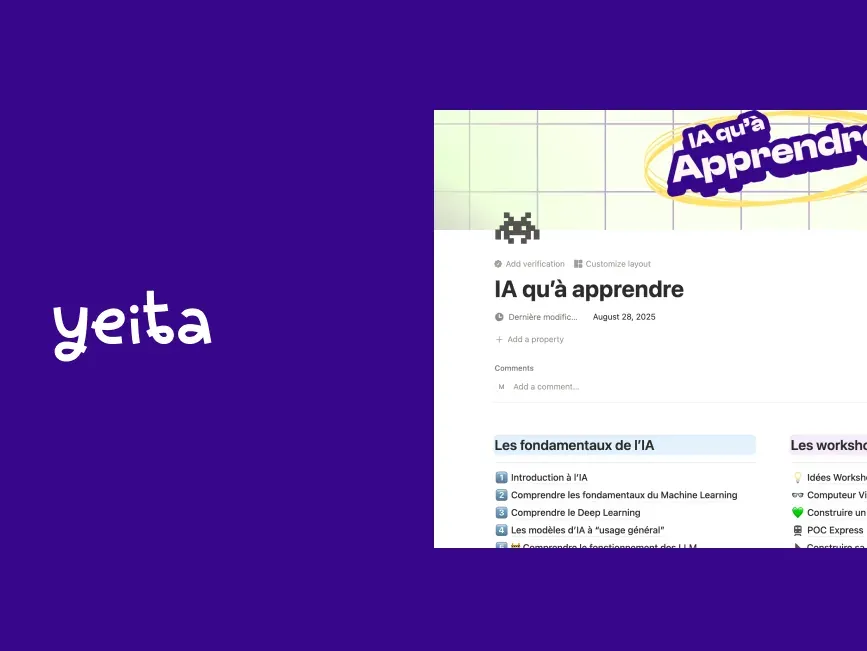
SKU PROJ-007 · Colorway: AI
Yeita treated as a client: around fifteen people trained on AI, then products put in the team's hands, including an online design system that made marketing self-sufficient.
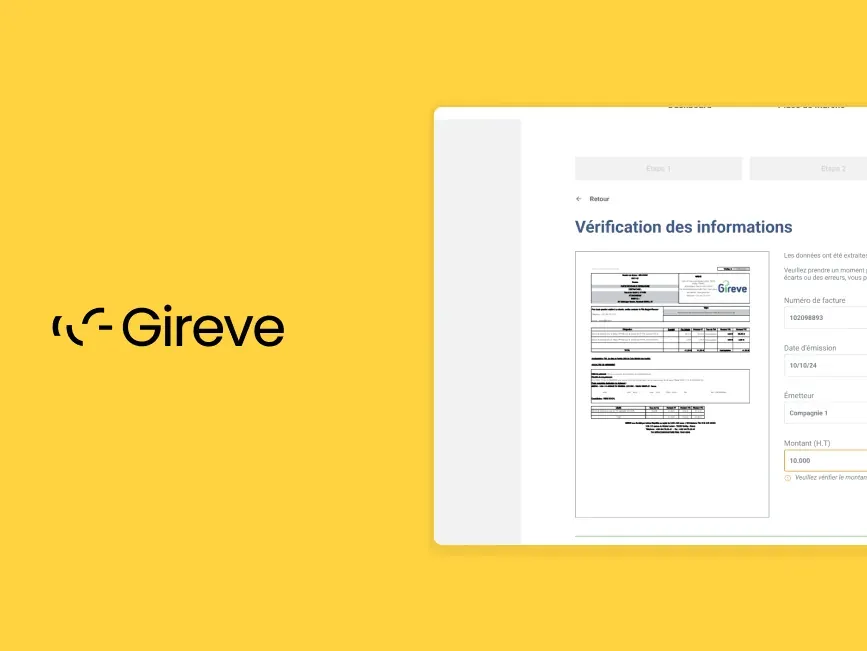
SKU PROJ-003 · Colorway: E-mobility
First designer at Gireve. Three months to lay the foundations of Clearing and the design system, then hand them over to a twelve-month project.
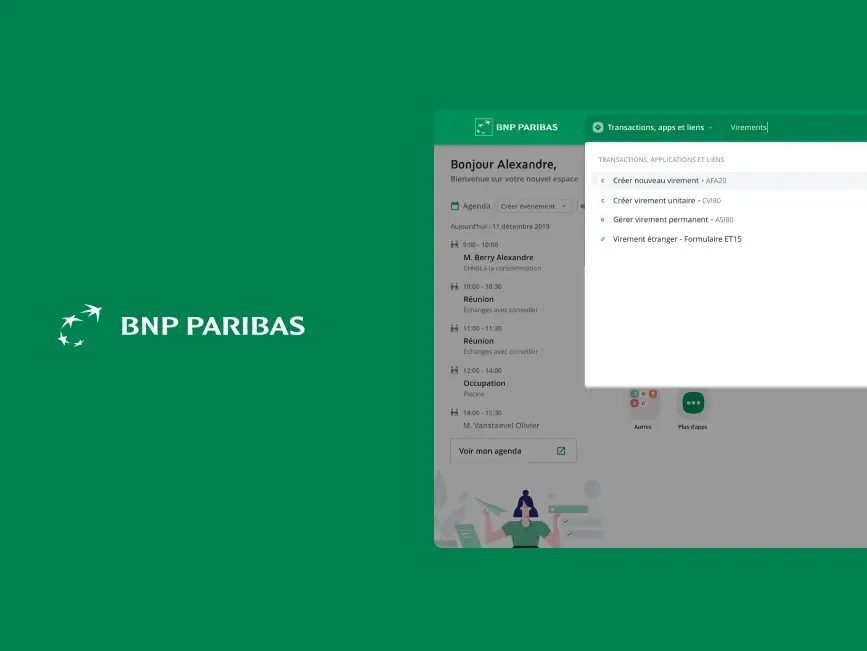
SKU PROJ-006 · Colorway: Banking
Three years of Open Banking across 5 group entities. Stellar co-created with the devs, across a dozen products. Joined as a UX designer, left as a product manager.
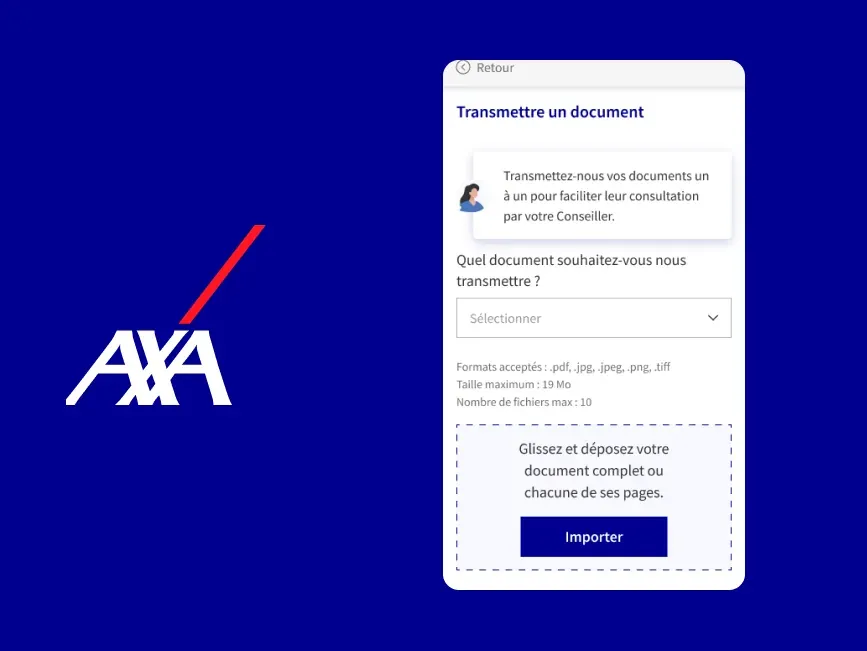
SKU PROJ-005 · Colorway: Insurance
10 million files, a regulatory reform. OCR in the journey: validation twice as fast, two documents out of three approved on the first pass.
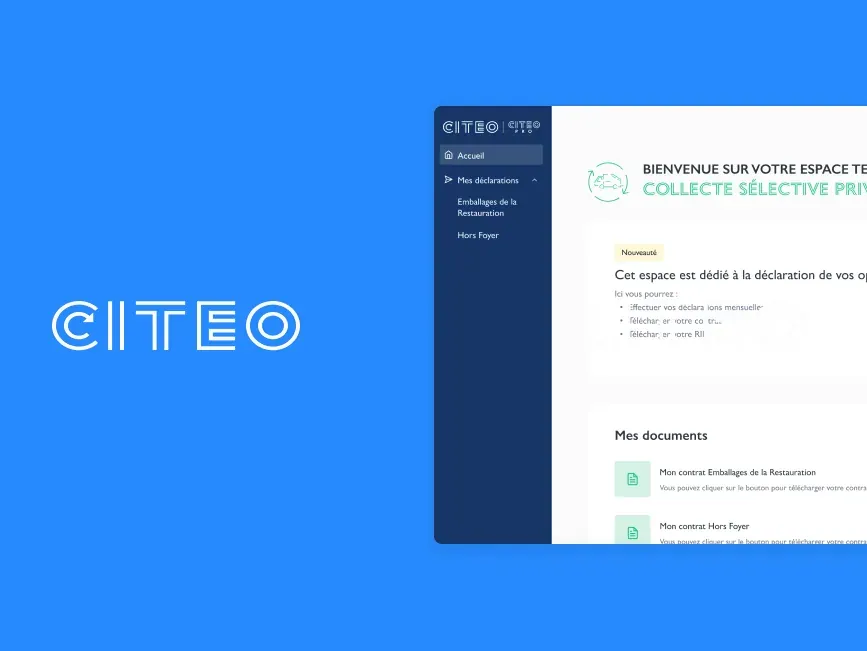
SKU PROJ-002 · Colorway: Circular economy
Every declaration was paid for twice: by the user, then by the back-office. 30 to 50% time saved on some declarations, and the equivalent of one and a half full-time roles freed up each year on contract validation.
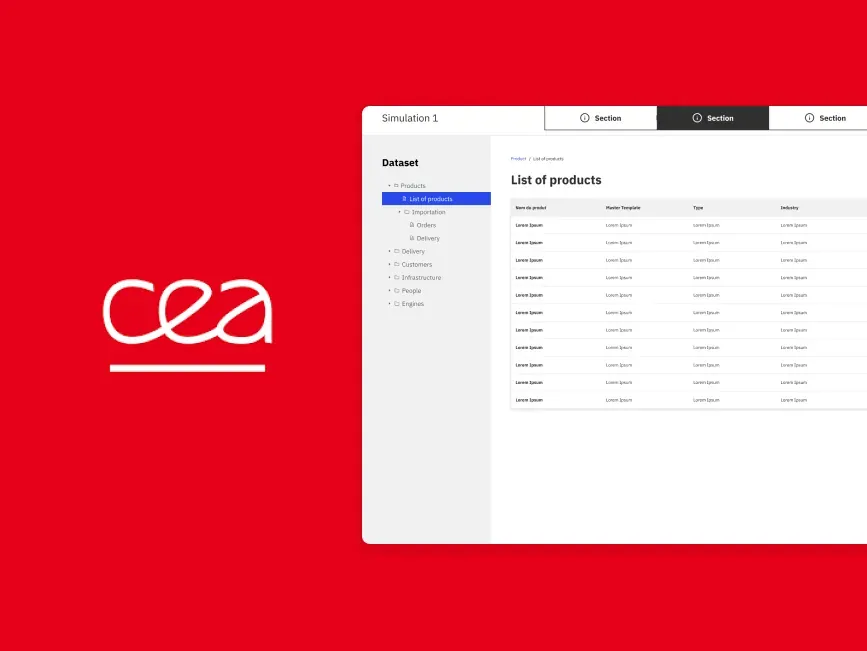
SKU PROJ-004 · Colorway: Research
A research team without a shared language. A simple design system, adopted down to beginners, and two designers coached.
Five questions to go from a pain point to a product people actually use: Friction, Research, Imagine, Double review, Adoption. Each step has its question, its deliverable and its AI assist, and it all ends with one simple rule: Kill or Keep. Article coming soon.
Discover FRIDA →They trusted me











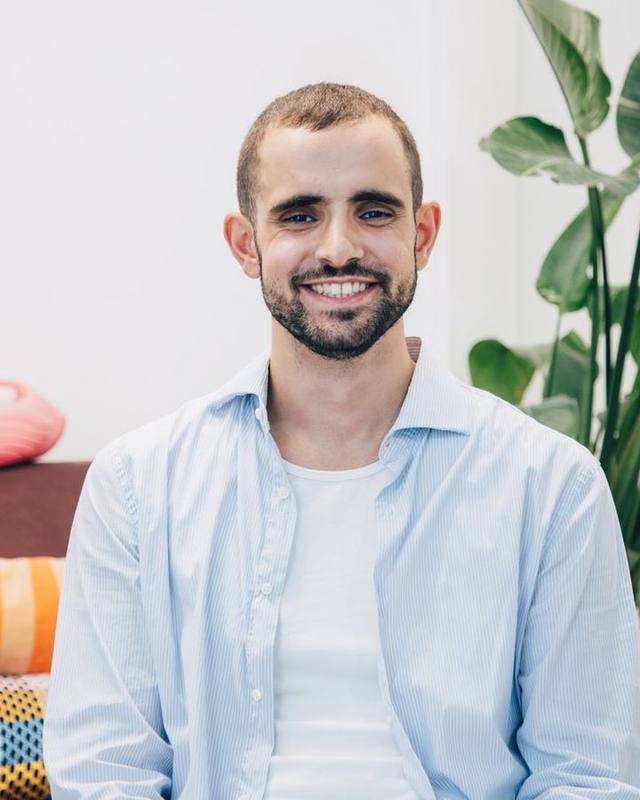
Digital work has always appealed to me because you never do just one thing. My ground is product, with a strong design hat.
Mission after mission, I've landed in complex environments: banking, insurance, research, e-mobility, circular economy. Each time, there was a business to understand before drawing anything, and teams that talked too little. I bring marketing, PM, dev and data around the same table, spot the tensions, and when a call has to be made, I let user data decide.
That reflex of reaching out to others is one I practised a lot while travelling. I spent a year in Asia, backpacking, exploring and volunteering with animal protection organisations. You quickly get used to chaos and uncertainty, and you learn to go towards people when you don't understand.
AI is a good executor. With centralised, accessible data, it runs tasks in parallel and delivers more value. It doesn't look at the experience as a whole: someone always has to supervise.
The rest of the time, I keep moving. Diving, hiking, cycling: whenever I can, I head out into nature.
What didn't work, and what changed since.
On a new assignment, discovery calibrated on decision-makers. The real users were in the sales teams.
Since then: stakeholders mapped by day two, insights taken at the source, on every mission.
Remote developers were rebuilding the designs under different names. Double work, invisible in the rituals.
Since then: components named the way the code does, Storybook as the reference between design and dev.
The same trade-offs re-explained team after team. Sprints lost re-validating what was settled.
Since then: every decision is written down, and every team can raise a flag early.
Want the full version of my limits?
Read the anti-CV →Published articles and guides.
Yes. Currently at Yeita, where I run the AI circle, I'm looking for a Product Builder role, with topics to own and impact to measure. Shall we talk for 15 minutes?
Both. Design, and product decisions: impact mapping and roadmap with the PM at Citeo, PI Planning at BNP Paribas, trade-offs with stakeholders at Gireve. Whenever possible, user data settles it.
With coding agents, yes: this site, my design system, demonstrators. But development is a craft, and I'm not an engineer. I try to understand how it works, to speak the same language as the devs and collaborate well with them.
As few as possible. A clickable prototype says more than a 40-page deck.
Not directly. I launched and run Yeita's AI circle, with around fifteen people coached one-to-one and in workshops. At CEA, I upskilled two designers. Moving from mentor to lead is the next step.
It executes well, as long as it has access to centralised data. It goes into a product when it fixes a usage problem. Otherwise, saying so is part of the job.
With Claude Code. If you design products with AI, you might as well build your own that way. Details on the Under the hood page.
A project, a question, an idea to challenge: write to me, I reply.
* Just kidding, I'm better organized than that.
You made it to the very bottom. Respect. One thing nobody guesses here: I know Bad Bunny's Baile Inolvidable by heart. Yes, all of it.