SKU PROJ-002 · Release 2024 to 2025
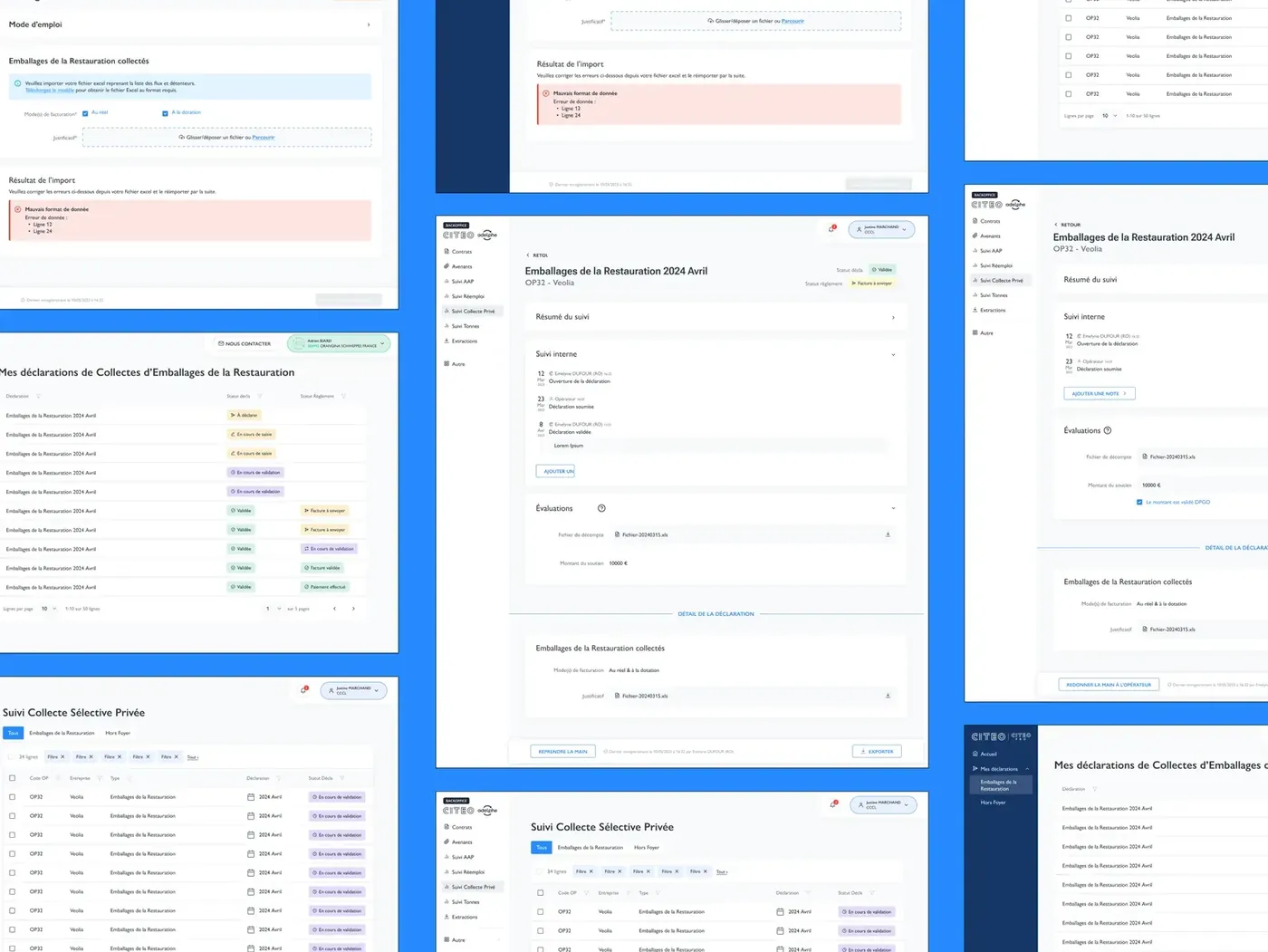
Every declaration was paid for twice: by the local authority filling it in, then by the team validating it. Both sides tackled: 30 to 50% time saved on some declarations, 80% on internal validations, and the equivalent of one and a half full-time roles freed up each year on contract validation.
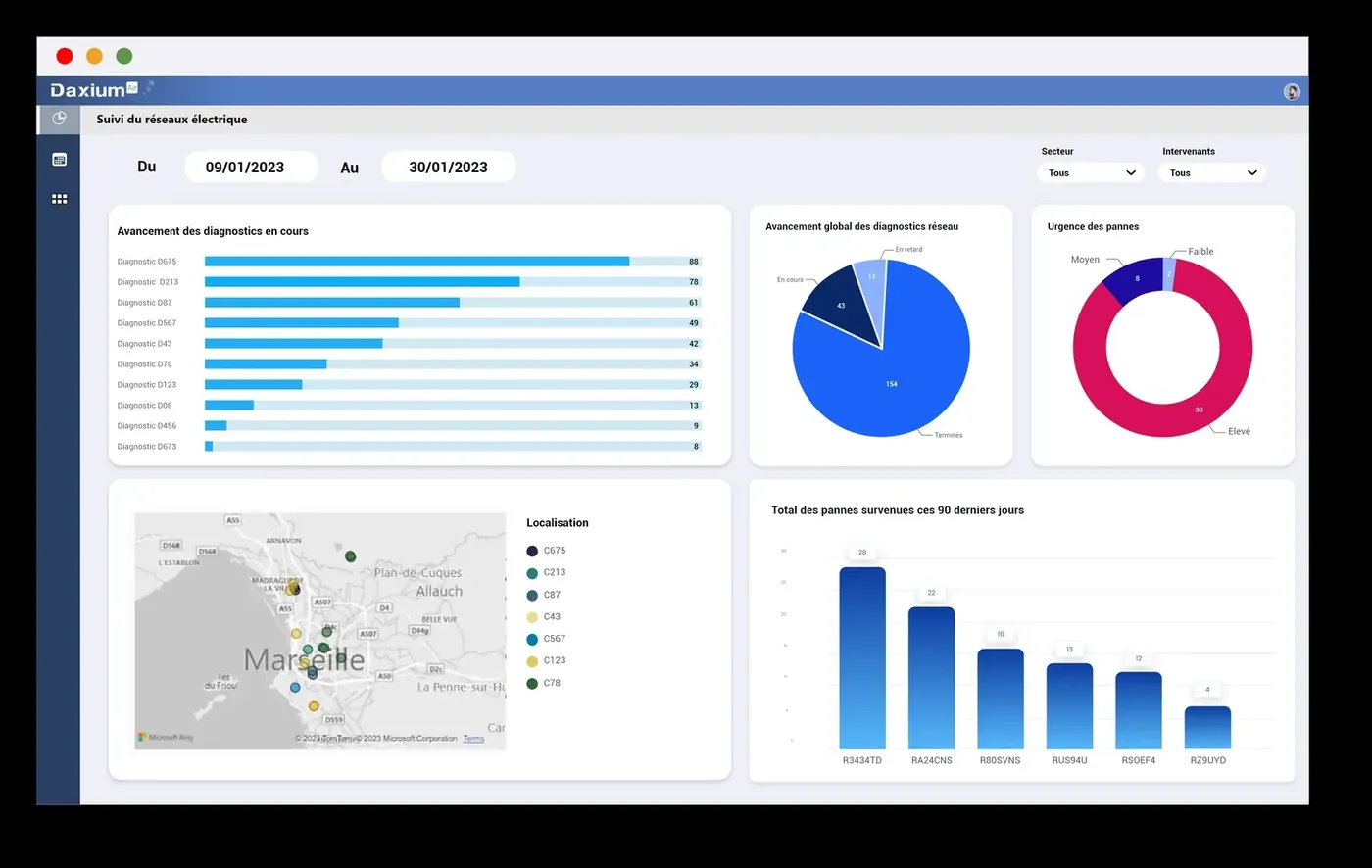
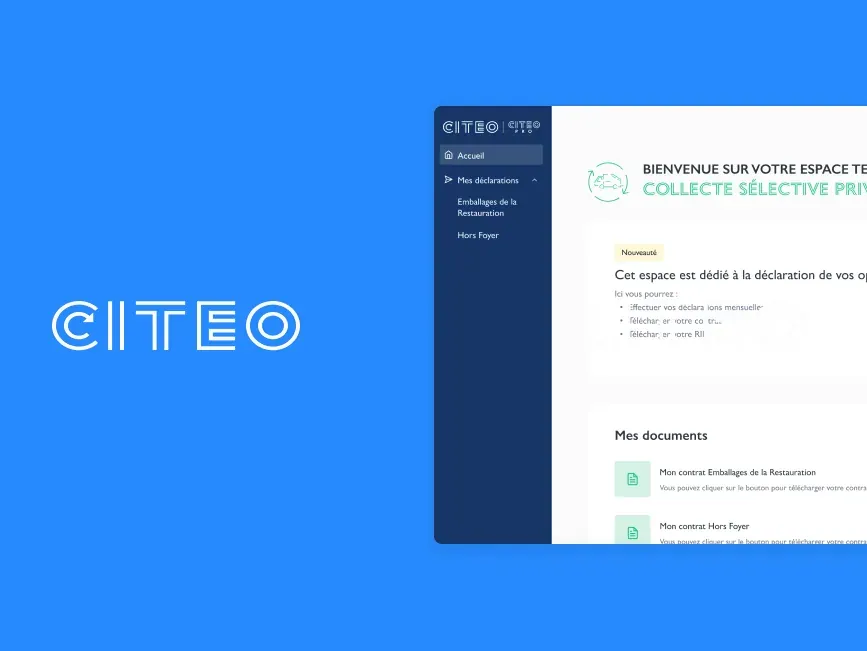
Espace Territoires is the tool behind Citeo's 3R vision: local authorities and companies declare their operations there to receive their funding, and account managers process them in the back office. But the journeys were heavy, field data entry (Daxium) was painful, and user and entity management relied on Salesforce, which was critical and hard to adapt.
The first deliverable was an MVP, for private collection and reuse operators. Framing was done with the business teams, the main flows were laid out as wireframes, and the design system was audited to reuse or create components. Developers were in workshops from the first iterations. Before release, unmoderated tests with the business teams helped sharpen the wording.
The characterization tool was explored through interviews about daily usage (long processes, heavy steps, unintuitive interfaces), cross-checked with a quantitative survey. The findings were presented to the Value Leaders, then prioritized with MoSCoW: the improvement roadmap now rests on facts.
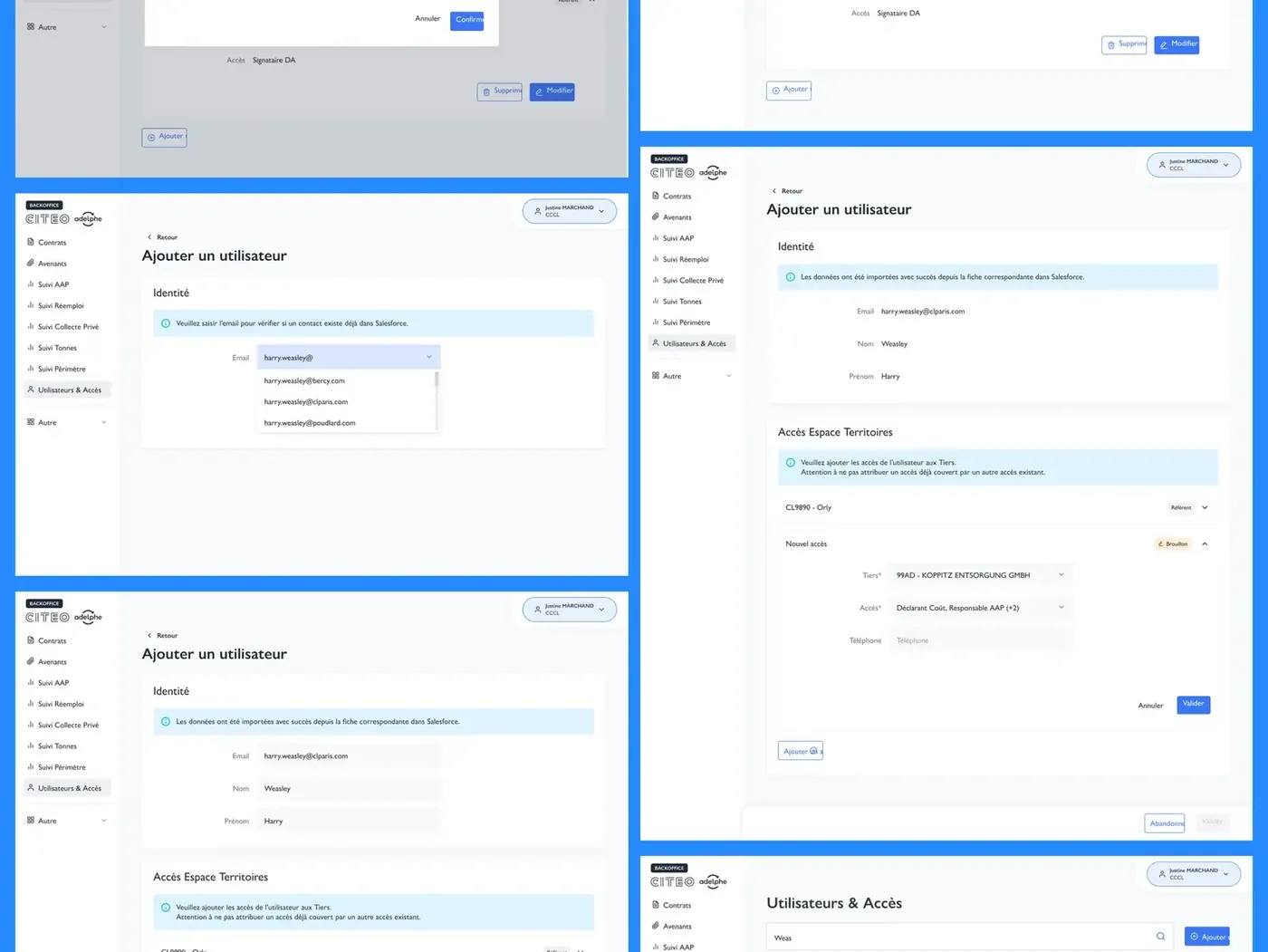
Critical features moved out of Salesforce into internal systems that are easier to adapt. A discovery across about ten Citeo products was summarized as “Product Personas”, and the data architecture and governance model were then built with the back-end architects. Finally, a week of guerrilla testing, with prototypes in users' hands, made it possible to adjust before launch.
Ten minutes saved per declaration, meaning 30 to 50% less time on some. OCR was also built into the validation journey, and the Figma files were tidied up along the way. The access redesign and the Daxium workstream are moving forward step by step: each change is measured before deciding to continue or pivot.
Matteo gave us the necessary step back by re-challenging certain decisions to make our product smoother and easier to use.