SKU PROJ-004 · Release 2024
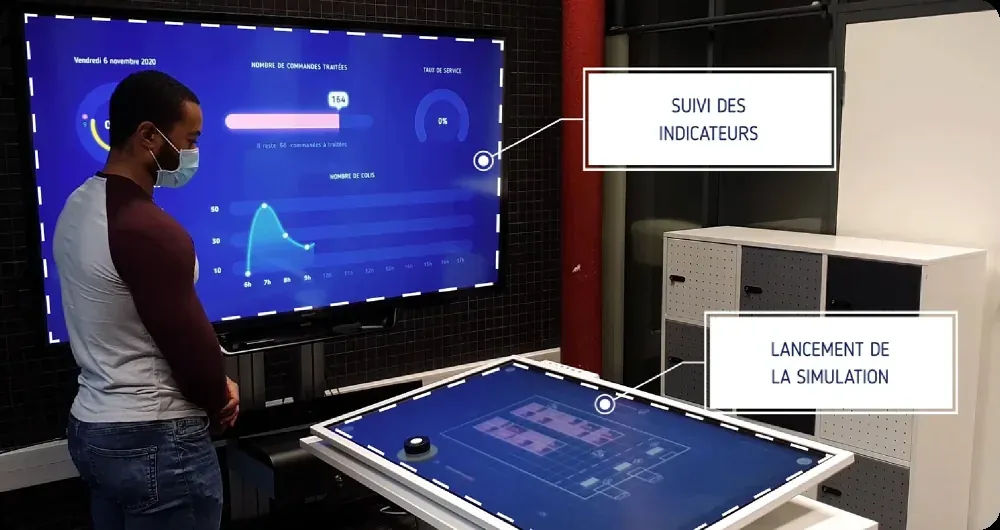
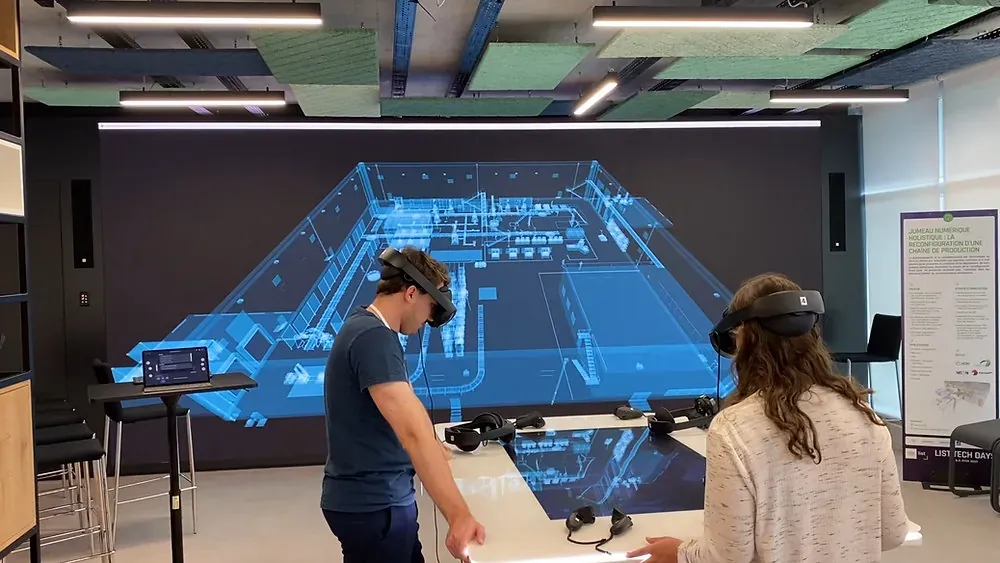
At CEA, the Digital Twin project uses machine learning to simulate real-world behaviors, starting with supply chains. My mission: structuring delivery by building the digital twin's design system.
An ambitious R&D project, simulating real-world behaviors through machine learning starting with supply chains, carried by a heterogeneous team: junior designer, developers, CTO. Without a shared language or design foundations, every screen reinvented its components and delivery bogged down. The system had to structure without freezing: serving a research team, not the other way around.
Ideation workshops and retrospectives to clarify the digital twin's vision and lay the foundations: identify needs, define design principles (“What values do we uphold?”, “How should components be used?”), and create collective alignment, from the junior to the CTO.
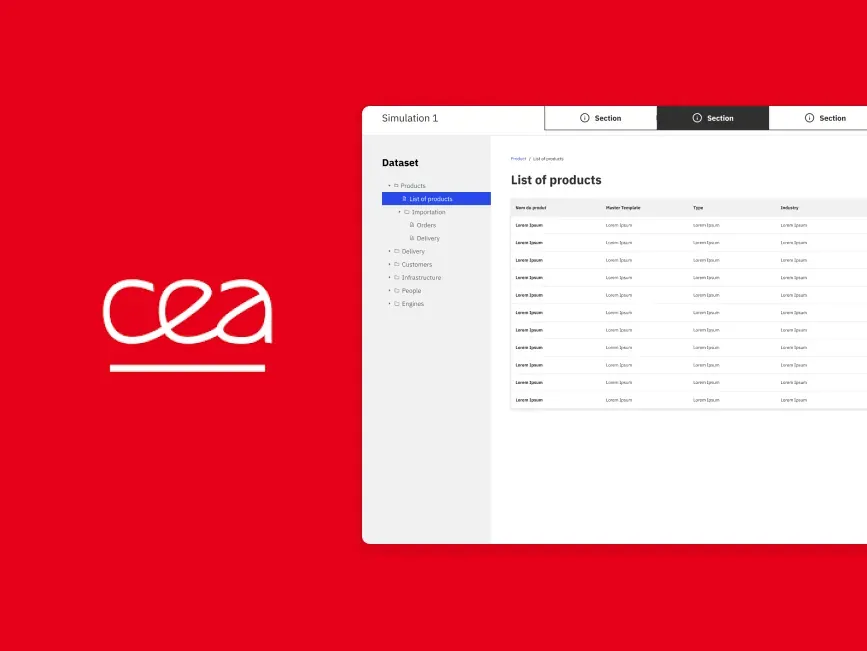
An atomic approach to reconcile creativity and engineering: PascalCase naming conventions, a six-level size scale, a detailed inventory of components and variables to map the redesign and prioritize. Simplicity as a condition for adoption: the system had to be understandable by everyone, even novices.
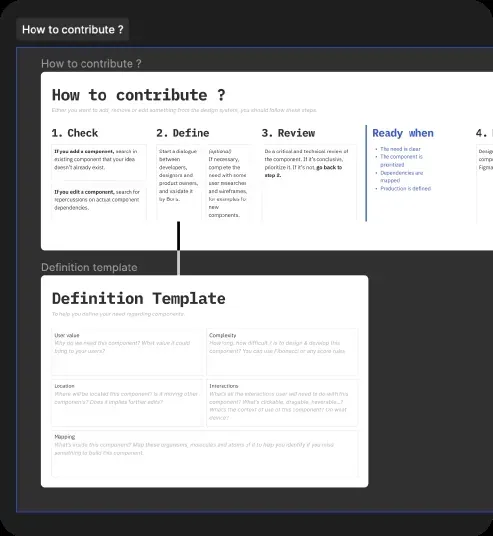
A style guide built atom by atom (variables, icons, type, spacing), each component shipped with its documentation and release notes. Useless variants avoided through properties, contribution guidelines to hold quality over time. And regular retrospectives to measure what matters in R&D: team satisfaction.
The design system structured the team's workflow and adoption was effective, including among the least experienced profiles. In an R&D phase, the tracked indicator was team satisfaction: the retrospectives confirmed it.